


If the world’s best retailers are learning to become more than shops, shouldn’t our most famous shopping street in London be learning to become more than retail?
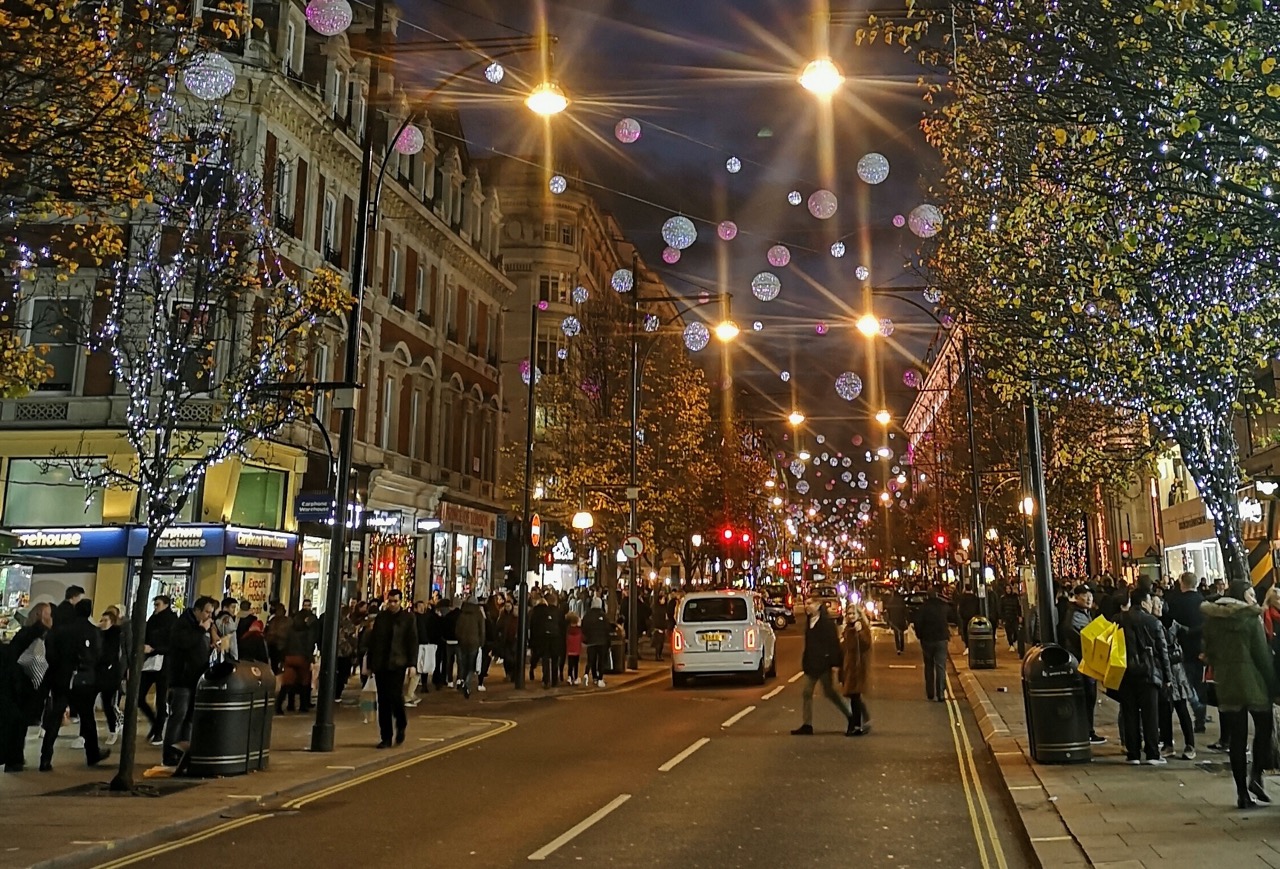
Oxford Street now has something the capital rarely gives away: space. Almost a kilometre of the street has been handed back to pedestrians, offering a rare opportunity for one of the world’s most recognisable shopping districts. But let’s face it, nobody actually travels across London just for a wider pavement.

Oxford Street lost its pull over time because the reasons to visit became less convincing. The brands became familiar, the offer became repetitive, and the ease of internet shopping made the purely functional shopping trip increasingly optional. Over the years, we’ve seen struggling brands renovate their spaces in the hopes that people will return. Yet the stores worth travelling to behave less like fixed shops and more like places with a pulse, giving people new things to discover, talk about and come back for.
Footfall Is Only the Starting Point
While a traffic-free shopping strip might make Oxford Street easier to visit, that alone won’t give people a reason to return. M&S chief executive Stuart Machin has long pushed for Oxford Street to “get that lost footfall back”. He’s also backed that ambition with bold plans to reinvent M&S’s own presence on the street, which is exactly the kind of forward thinking Oxford Street itself needs. But footfall only tells us how many people passed through, not what caught their attention, whether they went inside a store, or whether they will return the following weekend.
There is also a retail design question hidden within the new space. With traffic gone, shoppers can spread out across the former road. That sounds liberating, until you consider how retail thrives on small moments of discovery along its edges, such as catching a beautifully crafted window display or noticing the unexpected interiors and energy of a store.
Better flow can support retail performance when it creates more opportunities for those encounters, but an open boulevard could unintentionally weaken those encounters if we design purely for movement. The street needs to be planned around the way people pause, cross, gather and explore, as well as how they move from one end to the other.
There is a commercial risk: as Oxford Street becomes more attractive, higher rents and safer retail formats could lead to more of the same familiar cookie-cutter retail design, restaurants, souvenir stores and novelty sweet shops. While it may create a busier street, it will not necessarily create one people feel connected to. If we replace traffic with predictable tourism-focused retail rather than places that serve local communities, we risk making Oxford Street easier to move through without making it any more worth visiting.
We have an opportunity to make Oxford Street feel like London again. The focus should be on introducing unexpected, independent and uniquely London elements that give people a true sense of discovery.
A Street With a Social Purpose
Before anyone decides which brands should activate the space or what the events calendar should look like, there needs to be a clearer idea of the kind of public life Oxford Street can support. That goes beyond adding trees, wider pavements and occasional music or street performance. A performance can bring energy to a space for a moment, but it doesn’t create a lasting social reason for local people to use it.
Oxford Street needs to be designed as a place where Londoners can meet, rest, wander, spend unplanned time and feel part of the city, even when they have nothing to buy. Selfridges, one of Oxford Street’s most iconic stores, has long understood that it is no longer simply competing with other shopping destinations, but for people’s leisure time, attention and desire to go out. Its partnership with New Era for an in-store pop-up around the Major League Baseball London Series shows how a store can become part of a wider cultural event, with exclusive product and customisation giving fans a reason to visit beyond a purchase. As its CEO André Maeder has said: “Our competition is restaurants and wider culture.” That gets to the heart of the challenge that Oxford Street faces.
Imagine if Selfridges continued to bring innovative hospitality pop-ups out beyond its walls, with terraces occupying part of what was once the road. Not simply somewhere to shop and eat, but destinations that contribute to the social life of the street. This only works if the public realm is designed for it, with flexible spaces, sheltered areas and infrastructure designed around how people gather, not just move. A street that works as well on a wet Tuesday in February as it does on a sunny Saturday in July.
Culture also needs to be part of everyday street life. Hospitality, independent ideas, creative activity, local voices and shared experiences can all help make Oxford Street feel relevant to Londoners as well as visitors.
What Will Make People Come Back?
Only once that foundation is in place does it make sense to ask how retailers can contribute. For somewhere as significant as Oxford Street, the question cannot only be how a store gets people through its doors, but what it contributes to the life of the street outside them. James Daunt, Managing Director of Waterstones, put it well when he said: “The booksellers in every place try to be the best for that place.” Oxford Street needs to ask what being the best for London actually looks like. It shouldn’t settle for a more comfortable version of the same international retail set-up.
The council can help create the conditions, but retailers, independent businesses and cultural communities should help shape what happens within them. That means giving the street enough flexibility for unexpected things to happen, while leaving room for people to use it without spending money every time.
The ambition is to make Oxford Street somewhere people build a relationship with, not simply pass through or visit to shop. By creating a street that gives Londoners fresh reasons to return, commercial success is far more likely to follow.
Now the space has been made, we need to start planning for the interesting part.
The post You Can’t Pedestrianise Your Way Back to Relevance appeared first on 365 Retail – Retail News and Events.

